Emotional Intelligence

The psychological foundations of non-verbal communication, focusing on how emotions, cognition, and perception influence behaviour.

The Psychology Behind Non-Verbal Communication in the Workplace

This chapter explores the psychological foundations of non-verbal communication, focusing on how emotions, cognition, and perception influence behaviour. It explains why individuals react to body language and how psychological processes shape workplace communication, decision-making, and interpersonal interactions.
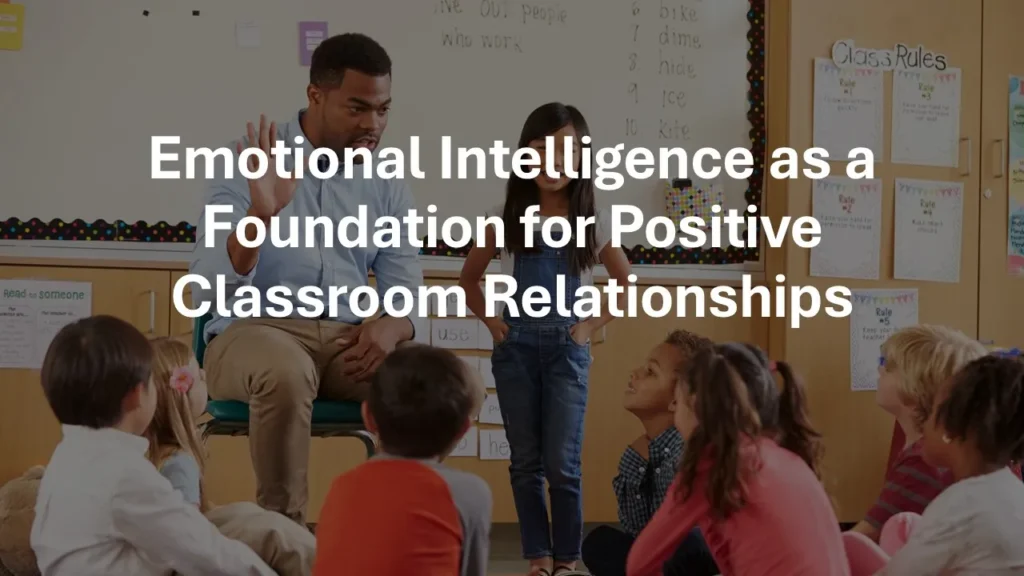
Emotional intelligence as a foundation for positive classroom relationships showing students and teachers using empathy, respect, and self-control.

Emotional Intelligence as a Foundation for Positive Classroom Relationships

This article explains emotional intelligence as a foundation for positive classroom relationships, including self-awareness, empathy, self-management, teacher-student trust, peer respect, conflict resolution, digital behaviour, and emotional safety. It helps educators, school leaders, parents, and training professionals build respectful, supportive, and emotionally intelligent classrooms that strengthen learning and wellbeing today together.

emotional intelligence in modern education and student development

Emotional Intelligence Development in Modern Students

This article discusses the importance of emotional intelligence in modern education and student development. It explores how emotional awareness, empathy, communication, and emotional regulation influence behaviour, academic performance, relationships, and personal growth among students.

Shopping Cart
Scroll to Top