Behavioural Profiling

Explore behavioural profiling in investigations. Learn about offender patterns, motives, victimology, warning signs, crime scenes, and suspect prioritisation. Support clearer case analysis, risk understanding, and investigative decision-making today professionally.

BEHAVE Model

BEHAVE Investigative Framework (Alan Elangovan)

The BEHAVE Investigative Framework by Alan Elangovan helps investigators connect behaviour, evidence, motive, timeline, vulnerability, risk, and findings. It supports fair, structured, evidence-based investigations by reducing bias, improving risk assessment, strengthening report writing, and helping investigators reach clear, defensible conclusions across criminal, workplace, school, healthcare, and security cases.
Reality Monitoring Model

Reality Monitoring Model (Marcia K. Johnson)

The Marcia K. Johnson Reality Monitoring Model distinguishes between real and fabricated memories by analysing sensory detail, contextual information, and cognitive processes. It helps investigators assess statement credibility, detect deception, and differentiate genuine experiences from imagined events, supporting accurate evaluations in interviews and forensic investigations.

Victim-Offender Interaction Model

Victim-Offender Interaction Model (Criminal Behavioural Research Influence)

The Victim-Offender Interaction Model, grounded in Criminal Behavioral Research, examines the dynamics between victim and offender. It analyses patterns of interaction, power imbalance, and situational triggers, helping investigators distinguish conflict from victimisation, identify repeated targeting, and support accurate classification and intervention in criminal and social incidents.

Case Theory Model

Case Theory Model (Legal Practice Influence)

The Case Theory Model, influenced by Legal Practice, involves constructing a coherent narrative explaining how and why an event occurred. It guides investigators in organising evidence, testing hypotheses, and aligning facts with legal elements, ensuring cases are logically structured, persuasive, and capable of withstanding legal scrutiny.

Crime Script Analysis Model

Crime Script Analysis Model (Derek Cornish)

The Derek Cornish Crime Script Analysis Model breaks crimes into sequential steps, from preparation to completion. It helps investigators understand offender actions, identify intervention points, and disrupt criminal processes, supporting prevention strategies, situational analysis, and targeted investigative planning across different crime types.

Criminal Decision Process Model

Criminal Decision Process Model (Derek Cornish & Ronald Clarke)

The Derek Cornish and Ronald V. Clarke Criminal Decision Process Model analyses how offenders make decisions before, during, and after crimes. It examines rational choices, risks, rewards, and situational factors, helping investigators understand behaviour, anticipate actions, and develop effective prevention, profiling, and investigative strategies.

098 ALAN Model

ALAN Model (Alan Elangovan)

The Alan Elangovan ALAN Model integrates behavioural analysis, structured questioning, and situational awareness to guide investigations. It emphasises adaptive thinking, layered information gathering, and real-time assessment, enabling investigators to detect deception, interpret intent, and make precise, evidence-based decisions in complex investigative environments.

HUMINT Collection Model

HUMINT Collection Model (U.S. Intelligence Community)

The HUMINT Collection Model, developed within the United States Intelligence Community, focuses on gathering intelligence through human sources. It involves recruitment, handling, and debriefing of informants to obtain valuable information, supporting investigations, threat assessments, and operational decision-making in security, law enforcement, and intelligence environments.

Social Network Analysis (SNA) Model

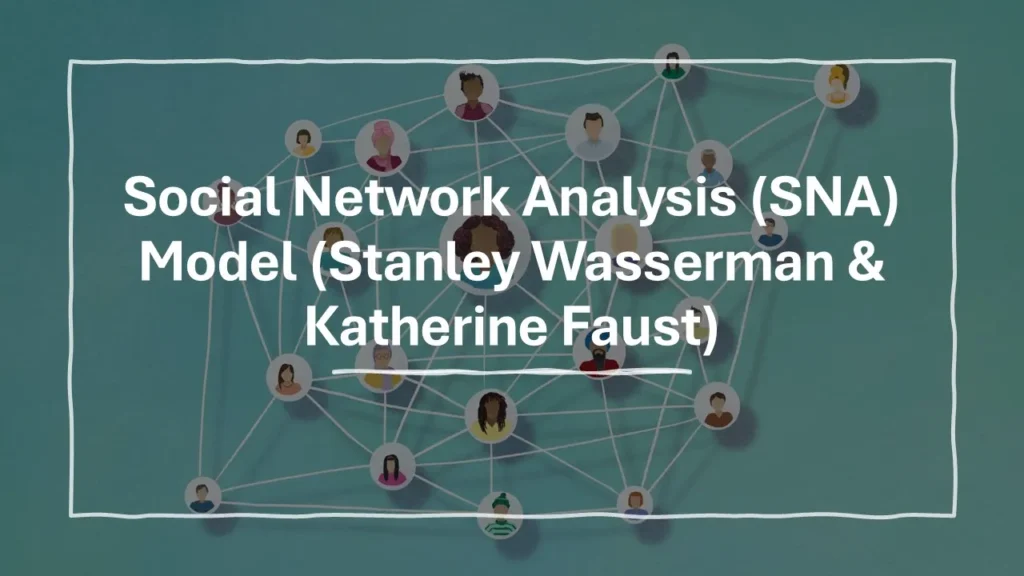
Social Network Analysis (SNA) Model (Stanley Wasserman & Katherine Faust)

The Stanley Wasserman and Katherine Faust Social Network Analysis Model examines relationships, structures, and interactions within networks. It helps investigators map connections, identify influential actors, detect hidden groups, and analyse information flow, supporting intelligence-led investigations, disruption of criminal networks, and strategic decision-making in complex investigative environments.

Crime Pattern Theory

Crime Pattern Theory (Paul Brantingham & Patricia Brantingham)

The Paul Brantingham and Patricia Brantingham Crime Pattern Theory explains how crimes occur based on offenders’ routine movements within familiar environments. It highlights nodes, paths, and edges that shape opportunities, helping investigators predict crime locations, understand spatial behavior, and design targeted prevention and enforcement strategies effectively.

Situational Crime Prevention Model

Situational Crime Prevention Model (Ronald V. Clarke)

The Ronald V. Clarke Situational Crime Prevention Model focuses on reducing opportunities for crime by altering immediate environments. It applies practical techniques such as increasing effort, raising risks, reducing rewards, removing excuses, and limiting provocations. Widely used in security planning, it supports proactive prevention rather than reactive investigation strategies.

ABC Analysis Model

ABC Analysis Model (B.F. Skinner)

The ABC Analysis Model developed by B. F. Skinner examines behavior through Antecedents, Behavior, and Consequences, helping identify triggers, actions, and outcomes to understand, predict, and modify behavior in investigative, educational, and organizational contexts.

Fraud Pentagon Model

Fraud Pentagon Model (Jonathan Marks)

The Fraud Pentagon Model developed by Jonathan Marks builds on earlier models by incorporating pressure, opportunity, rationalization, capability, and arrogance, explaining how ego and power influence fraudulent behavior, supporting more comprehensive fraud risk assessment and prevention strategies.

Fraud Diamond Model

Fraud Diamond Model (David T. Wolfe & Dana R. Hermanson)

The Fraud Diamond Model developed by David T. Wolfe and Dana R. Hermanson extends the Fraud Triangle by adding capability, emphasizing that individuals must possess skills and position to exploit opportunities, enhancing fraud detection and prevention strategies.

Fraud Triangle Model

Fraud Triangle Model (Donald R. Cressey)

The Fraud Triangle Model developed by Donald R. Cressey explains fraud through three elements—pressure, opportunity, and rationalization—highlighting how individuals justify dishonest acts, guiding prevention strategies by reducing opportunities, addressing pressures, and strengthening ethical controls within organizations.

Threat Assessment Model

Threat Assessment Model (U.S. Secret Service Influence)

The Threat Assessment Model influenced by the United States Secret Service evaluates potential threats by analyzing behaviors, intent, capability, and risk factors, enabling early identification, intervention, and prevention of targeted violence through structured, intelligence-driven assessment processes.

Suspect Prioritization Matrix

Suspect Prioritization Matrix (Investigative Practice Influence)

The Suspect Prioritization Matrix influenced by investigative practice ranks suspects using criteria such as motive, opportunity, capability, and evidence strength, enabling investigators to allocate resources effectively, focus inquiries, and systematically narrow down high-probability individuals in complex cases.

Criminal Profiling Model (FBI Behavioral Science Unit)

Criminal Profiling Model (FBI Behavioral Science Unit)

The Criminal Profiling Model developed by the FBI Behavioral Science Unit analyzes crime scene behavior, victimology, and patterns to infer offender characteristics, motivations, and traits, supporting investigative direction, suspect prioritization, and linkage of related crimes.
Signature Analysis Model

Signature Analysis Model (John E. Douglas)

The Signature Analysis Model developed by John E. Douglas distinguishes an offender’s psychological “signature” from modus operandi, analyzing unique, repetitive behaviors driven by internal needs, helping investigators link crimes and understand underlying motivations and offender personality traits.

Modus Operandi (MO) Analysis Model

Modus Operandi (MO) Analysis Model (Hans Gross Influence)

The Modus Operandi Analysis Model influenced by Hans Gross examines recurring methods, techniques, and procedures used by offenders, enabling investigators to identify patterns, link crimes, and anticipate offender behavior for effective investigative planning and crime prevention.

Victimology Analysis Model

Victimology Analysis Model (Stephen Schafer)

The Victimology Analysis Model developed by Stephen Schafer examines victim characteristics, lifestyle, and interactions to understand victim-offender relationships, identify risk factors, and provide insights that support investigative direction, crime reconstruction, and prevention strategies.

Inductive Profiling Model

Inductive Profiling Model (FBI Behavioral Science Unit Influence)

The Inductive Profiling Model influenced by the FBI Behavioral Science Unit uses statistical data, past case patterns, and offender typologies to infer likely characteristics, behaviors, and motivations, supporting investigative direction through generalized profiling and comparative analysis.

Deductive Profiling Model

Deductive Profiling Model (Brent E. Turvey)

The Deductive Profiling Model developed by Brent E. Turvey relies on case-specific physical and behavioral evidence to infer offender characteristics through logical reasoning, emphasizing objectivity, reconstruction of events, and avoidance of generalized assumptions in criminal profiling.

Behavioral Evidence Analysis

Behavioral Evidence Analysis (Brent E. Turvey)

The Behavioral Evidence Analysis developed by Brent E. Turvey applies deductive reasoning to physical and behavioral evidence, focusing on case-specific facts to reconstruct events, determine offender characteristics, and support objective, evidence-based investigative conclusions.

Holmes & Holmes Serial Crime Typology

Holmes & Holmes Serial Crime Typology (Ronald M. Holmes & Stephen T. Holmes)

The Holmes & Holmes Serial Crime Typology developed by Ronald M. Holmes and Stephen T. Holmes classifies serial offenders into distinct types based on motivations and behaviors, aiding investigators in understanding offender patterns, profiling suspects, and guiding investigative strategies.

Timeline Analysis Model

Timeline Analysis Model (Forensic Investigation Practice Influence)

The Timeline Analysis Model influenced by forensic investigation practices organizes events chronologically to reconstruct incidents, identify gaps, detect inconsistencies, and establish sequences of actions, enabling investigators to understand case progression, corroborate evidence, and support accurate investigative conclusions.

Rational Choice Theory

Rational Choice Theory (Derek Cornish & Ronald Clarke)

The Rational Choice Theory developed by Derek Cornish and Ronald Clarke explains crime as a result of rational decision-making, where offenders weigh risks, rewards, and opportunities, guiding prevention strategies by increasing perceived effort, risks, and reducing potential benefits.

Routine Activity Theory

Routine Activity Theory (Lawrence Cohen & Marcus Felson)

The Routine Activity Theory developed by Lawrence Cohen and Marcus Felson explains crime as occurring when a motivated offender, suitable target, and absence of capable guardians converge, highlighting situational factors influencing criminal opportunities and prevention strategies.

Crime Scene Analysis Model

Crime Scene Analysis Model (FBI Behavioural Science Unit Influence)

The Crime Scene Analysis Model influenced by the FBI Behavioral Science Unit examines crime scene evidence, offender behavior, and modus operandi to infer psychological traits, motivations, and patterns, supporting offender profiling, investigative direction, and linkage of related crimes.

Geographic Profiling Model

Geographic Profiling Model (Kim Rossmo)

The Geographic Profiling Model developed by Kim Rossmo analyzes crime location patterns using spatial algorithms to predict an offender’s likely base, supporting investigative prioritization, resource allocation, and strategic decision-making in serial crime investigations.

Investigative Psychology Model

Investigative Psychology Model (David Canter)

The Investigative Psychology Model developed by David Canter applies psychological principles to analyze criminal behavior patterns, linking actions, locations, and offender characteristics to support profiling, investigative decision-making, and the systematic understanding of criminal conduct.

Criteria-Based Content Analysis

Criteria-Based Content Analysis (Max Steller & Günter Köhnken)

The Criteria-Based Content Analysis developed by Max Steller and Günter Köhnken evaluates statement credibility by analyzing qualitative content features, such as detail richness and contextual embedding, to distinguish truthful accounts from fabricated narratives in investigative settings.

Statement Validity Assessment

Statement Validity Assessment (Günter Köhnken)

The Statement Validity Assessment developed by Günter Köhnken evaluates the truthfulness of statements using criteria-based content analysis, reality monitoring, and validity checks, helping investigators distinguish genuine accounts from fabricated ones through systematic, evidence-based assessment methods.

Behavioral Analysis Interview

Behavioral Analysis Interview (John E. Reid & Associates)

The Behavioral Analysis Interview developed by John E. Reid & Associates is a non-accusatory interviewing process used to assess credibility through behavioral cues, verbal responses, and baseline comparisons, helping investigators determine truthfulness and decide whether further interrogation is warranted.

SCAN Technique

SCAN Technique (Avinoam Sapir)

The SCAN Technique developed by Avinoam Sapir analyzes written or verbal statements for linguistic cues, changes in language patterns, and psychological indicators to detect deception, reveal missing information, and guide investigators in targeted, effective follow-up questioning.

Forensic Statement Analysis

Forensic Statement Analysis (Avinoam Sapir)

The Forensic Statement Analysis developed by Avinoam Sapir examines linguistic patterns, word choice, and statement structure to assess credibility, identify deception indicators, and uncover concealed information, supporting investigators in evaluating truthfulness and guiding follow-up questioning strategies.

Kinesic Interview Technique

Kinesic Interview Technique (Stan B. Walters)

The Kinesic Interview Technique developed by Stan B. Walters focuses on interpreting body language, gestures, and non-verbal cues to assess credibility, detect deception, and guide questioning strategies during investigative interviews, enhancing observational accuracy and interviewer effectiveness.

REID Technique

REID Technique (John E. Reid)

The Reid Technique developed by John E. Reid is a structured, accusatory interrogation method focusing on behavioral analysis, psychological strategies, and confession-oriented questioning, widely used in law enforcement but criticized for risks of false confessions.

Shopping Cart
Scroll to Top